Last Updated:
February 2, 2026
How to Prioritize Home Renovation Projects
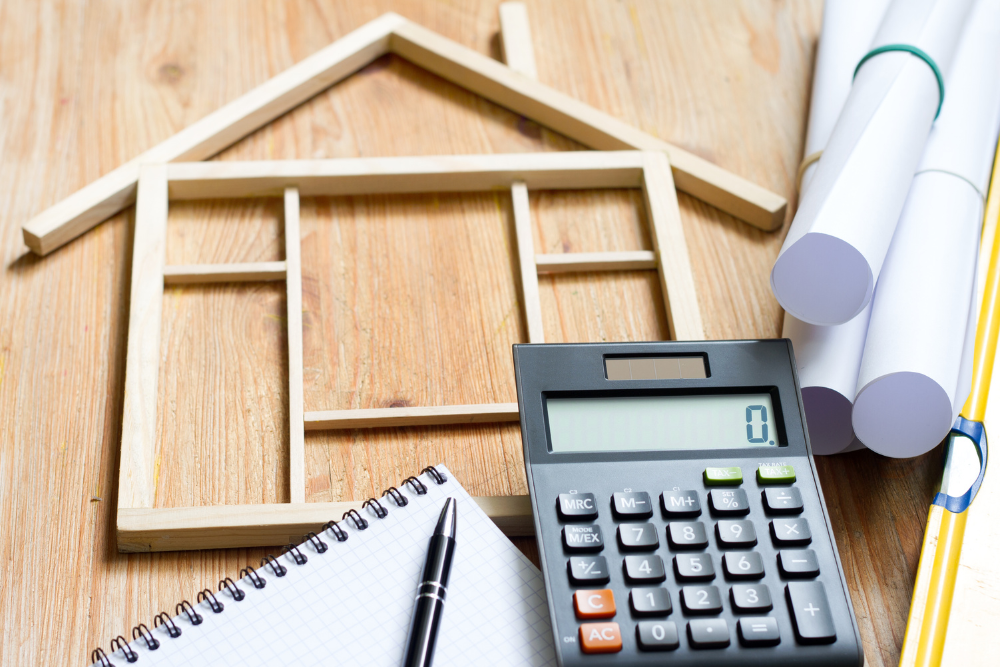
When multiple areas of a home need attention, deciding where to start can feel overwhelming. Prioritizing renovation projects helps homeowners focus on the most impactful updates while planning future improvements in a manageable way.
Here are several key considerations that can help guide renovation priorities.
1. Address Structural and Safety Concerns First
Projects that affect the safety or integrity of the home should typically take priority. These may include:
- Roofing or exterior damage
- Water intrusion or moisture-related issues
- Electrical or plumbing concerns
- Structural repairs
Resolving these issues first helps protect the home and prevents additional damage during future renovations.
2. Focus on Functional Limitations
Renovations that improve how a home functions day to day often deliver immediate benefits. Examples include:
- Poor kitchen or bathroom layouts
- Insufficient storage
- Inadequate lighting
- Limited accessibility
Improving usability can make the home more comfortable while supporting long-term living needs.
3. Consider How Spaces Are Used Most
Rooms that receive the most daily use often provide the greatest return in comfort and practicality. These commonly include:
- Kitchens
- Bathrooms
- Entryways
- Living areas
Updating high-use spaces can improve overall livability even before aesthetic upgrades elsewhere.
4. Plan Projects That Support Each Other
Some renovations are more efficient when completed together or in a specific sequence. For example:
- Flooring updates after major construction
- Plumbing or electrical updates before wall finishes
- Layout changes before cabinetry or fixture installation
Planning with future phases in mind helps reduce rework and delays.
5. Evaluate Long-Term Goals for the Home
Renovation priorities often depend on how long homeowners plan to stay in the home. Considerations may include:
- Long-term comfort and accessibility
- Family growth or lifestyle changes
- Maintenance and durability
Clear goals help shape renovation decisions and timelines.
6. Balance Immediate Needs With Future Projects
Not every renovation has to happen at once. Some homeowners choose to:
- Address urgent needs first
- Schedule functional upgrades next
- Plan cosmetic updates later
A phased approach allows renovations to progress without overwhelming the household.
7. Seek Professional Guidance Early
Professional input can help homeowners:
- Identify hidden issues
- Understand project sequencing
- Avoid costly missteps
Early planning often leads to smoother renovation experiences and better outcomes.
Planning Your Renovation Priorities
Thoughtful prioritization helps homeowners make informed decisions, manage timelines, and ensure renovations align with both immediate needs and long-term goals.
Ready to Start Your Renovation?
At The Patriot Home Group, we help homeowners evaluate their spaces and plan renovation projects with clarity and confidence. Our team focuses on practical solutions, quality craftsmanship, and clear communication throughout the process.
Contact The Patriot Home Group to discuss your renovation goals.